Interlocking Bricks vs. Traditional Blocks: Which Is Better?

When it comes to building a home or project, the materials you choose make all the difference. Two common options are interlocking bricks and traditional concrete blocks — but how do they compare?

1. Cost

  • Traditional blocks require extra cement and mortar, increasing overall costs.

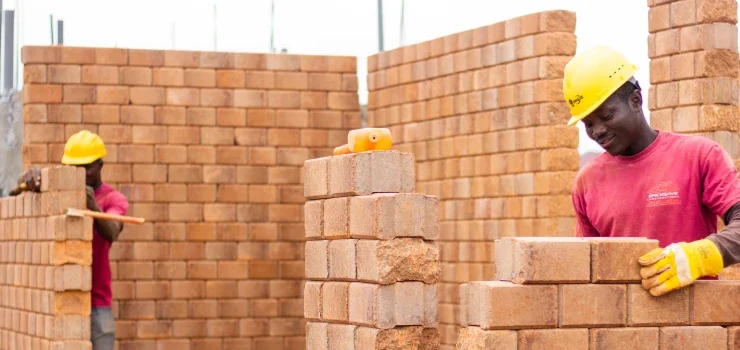
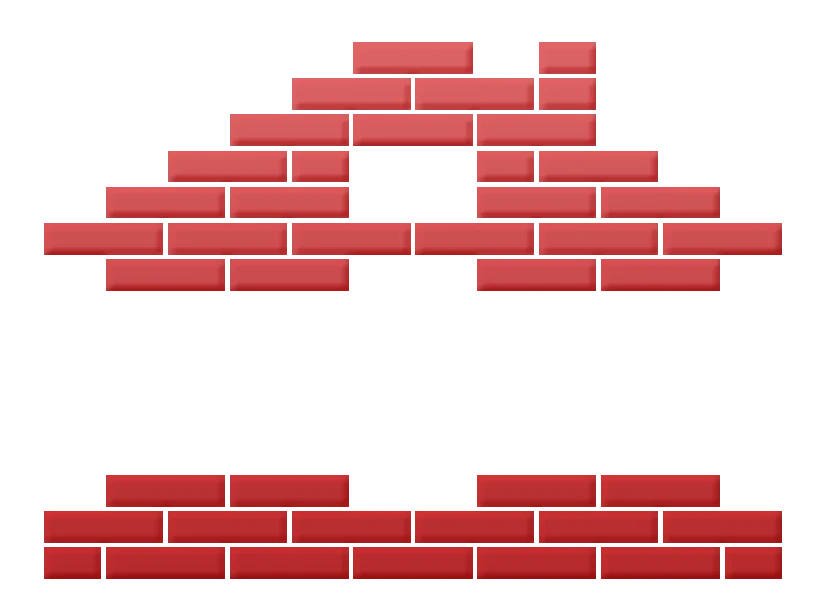
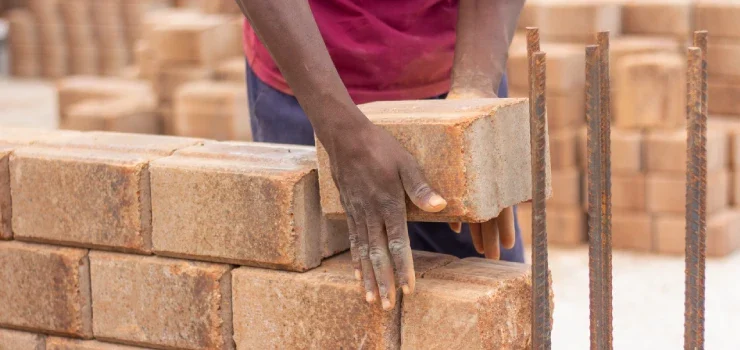
  • Interlocking bricks use a lock-and-stack design, reducing cement and labor expenses.

2. Speed of Construction

  • Traditional blocks take longer to lay and bond.

  • Interlocking bricks assemble quickly, cutting project timelines significantly.

3. Sustainability

  • Traditional blocks rely on cement-heavy processes that harm the environment.

  • Interlocking bricks use less cement and can be produced locally, reducing carbon impact.

4. Strength & Durability

  • Both are strong, but interlocking bricks distribute weight more evenly, resist cracking, and perform better in shifting soils.

5. Aesthetic Appeal

  • Traditional blocks usually require plastering and painting.

  • Interlocking bricks have a natural, attractive finish — no extra coating needed.

Verdict

Interlocking bricks are more cost-effective, faster to build with, eco-friendly, and visually appealing — making them the smarter choice for modern construction.


Would you like me to add a uniform meta description and SEO title for each post (e.g., for WordPress Yoast or Rank Math)? It’ll help them rank better for “eco-friendly construction in Ghana” and “interlocking bricks.”
Read More

Top 5 Modern Building Trends for 2025

The construction industry is evolving fast, with new methods, technologies, and materials shaping the way we build. As Africa continues to meet its housing and infrastructure needs, here are five key trends to watch in 2025:

  1. Sustainable Materials
    Eco-friendly solutions like interlocking bricks are becoming more popular — reducing cement use, cutting costs, and lowering environmental impact.

  2. Affordable Housing Solutions
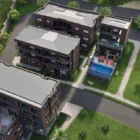
    With housing deficits across Africa, the focus is shifting to cost-effective and scalable methods that make homeownership possible for everyone.

  3. Smart Technology Integration
    From energy-efficient lighting to solar systems, modern buildings are adopting smart tech to cut energy costs and boost sustainability.

  4. Modular & Prefabricated Construction
    Quick-to-assemble structures are gaining traction, offering speed and flexibility for schools, homes, and commercial spaces.

  5. Community-Centered Design
    New projects emphasize livable, human-centered communities with green spaces, shared facilities, and designs that reflect local culture.

At Bricksave, we believe the future of construction lies in sustainable, affordable, and people-centered solutions. With interlocking bricks, we’re building for tomorrow — today.

Stay tuned for more insights on how Bricksave is shaping the future of construction in Ghana and beyond.

Read More

Why Eco-Friendly Bricks Are Better for Your Home

When building a home, the choice of materials matters just as much as the design. Eco-friendly bricks, like interlocking bricks, offer benefits that go beyond affordability.

  • Stronger & Safer – Their design locks bricks together, creating durable walls with less need for mortar.

  • Cost-Effective – Reduced cement and faster build times lower overall construction costs.

  • Eco-Friendly – They minimize cement use, reduce waste, and lower carbon footprint.

  • Cooler Homes – Interlocking bricks naturally regulate indoor temperatures, keeping your home comfortable.

Choosing eco-friendly bricks isn’t just about saving money — it’s about building a sustainable, future-ready home.

At Bricksave, we make sustainable living affordable for everyone.

Read More

The Future of Sustainable Construction in Africa

Africa’s cities are growing quickly, with millions of people moving in each year. While this creates new opportunities, it also leads to a major challenge — a shortage of housing.

In Ghana, for example, the housing deficit is estimated at over 1.8 million units. Traditional building methods often can’t meet this demand and also put pressure on the environment.

That’s where sustainable construction comes in.

Why Sustainability Matters in Construction

  1. Environmental Responsibility – Cement-based construction contributes significantly to carbon emissions. Sustainable alternatives like interlocking bricks reduce cement usage and minimize waste.

  2. Affordability – With rising material costs, families and communities need housing solutions that are durable and cost-effective.

  3. Resilience – Africa’s diverse climate demands building solutions that can withstand heat, rain, and changing environmental conditions.

Interlocking Bricks: A Local Solution

At Bricksave, we believe interlocking bricks are key to the future of sustainable construction in Africa. These innovative bricks:

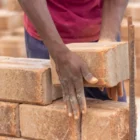
  • Fit together like puzzle pieces, reducing the need for mortar.

  • Cut construction costs by lowering cement and labor use.

  • Promote eco-friendly building with less material waste.

  • Create jobs locally since they can be manufactured within communities.

Opportunities for Africa

Sustainable construction goes beyond housing. With interlocking bricks, we can:

  • Build affordable schools and community centers.

  • Support governments and NGOs in closing the housing gap.

  • Empower local artisans through training and skills development.

The Road Ahead

The future of construction in Africa must be green, affordable, and scalable. By embracing innovative solutions like interlocking bricks, we can tackle the housing deficit while protecting our environment.

At Bricksave, we are committed to building not just houses, but sustainable communities that will serve generations to come.

Stay connected with Bricksave for updates on our projects, partnerships, and innovations in sustainable building.

Read More