When it comes to building a home or project, the materials you choose make all the difference. Two common options are interlocking bricks and traditional concrete blocks — but how do they compare?
1. Cost
-
Traditional blocks require extra cement and mortar, increasing overall costs.
-
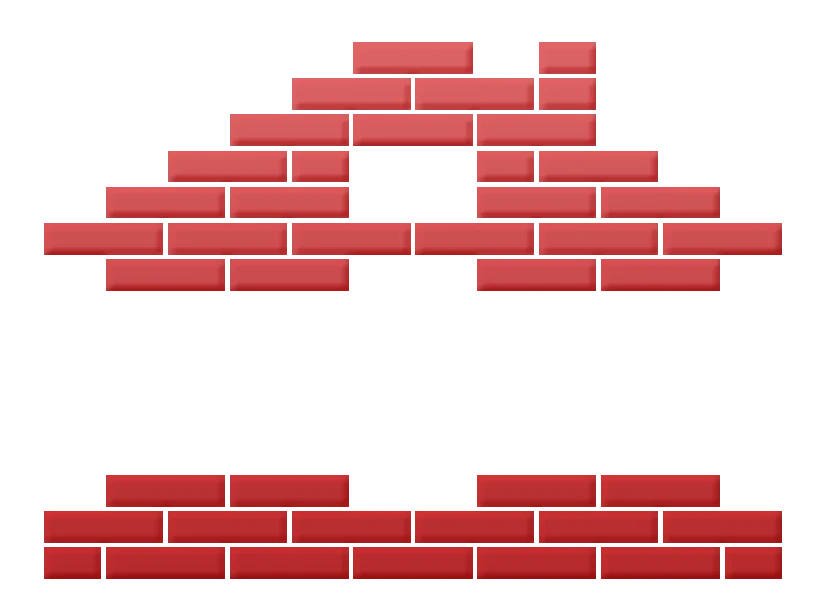
Interlocking bricks use a lock-and-stack design, reducing cement and labor expenses.
2. Speed of Construction
-
Traditional blocks take longer to lay and bond.
-
Interlocking bricks assemble quickly, cutting project timelines significantly.
3. Sustainability
-
Traditional blocks rely on cement-heavy processes that harm the environment.
-
Interlocking bricks use less cement and can be produced locally, reducing carbon impact.
4. Strength & Durability
-
Both are strong, but interlocking bricks distribute weight more evenly, resist cracking, and perform better in shifting soils.
5. Aesthetic Appeal
-
Traditional blocks usually require plastering and painting.
-
Interlocking bricks have a natural, attractive finish — no extra coating needed.
Verdict
Interlocking bricks are more cost-effective, faster to build with, eco-friendly, and visually appealing — making them the smarter choice for modern construction.
Would you like me to add a uniform meta description and SEO title for each post (e.g., for WordPress Yoast or Rank Math)? It’ll help them rank better for “eco-friendly construction in Ghana” and “interlocking bricks.”